

Three things will improve your tequila drinking more than anything else: buy something labelled 100% agave, understand that blanco, reposado and añejo describe time in a barrel rather than quality, and stop using sour mix. That’s most of it.
The rest is detail worth knowing, particularly if you’ve written tequila off on the strength of something you drank at nineteen.
The one thing on the label that matters
If a bottle says 100% agave, it was made entirely from the blue agave plant. If it doesn’t, it’s a mixto — legally allowed to be up to 49% other sugars, usually cane. Mixto is what most people’s bad tequila memory is actually made of, and it’s the reason a lot of otherwise sensible adults believe tequila is inherently harsh.
The phrase appears on the front label. It’s not marketing language; it’s a regulated designation. Everything else on the bottle — the glassware, the wooden box, the price — tells you less.
Where it comes from, and why that’s regulated
Tequila can only be made in designated parts of Mexico — principally the state of Jalisco, plus municipalities in Guanajuato, Michoacán, Nayarit and Tamaulipas. It’s a protected designation of origin, the same principle that stops sparkling wine from Ontario being called Champagne.
The process is more agricultural than most spirits. Blue agave takes somewhere between six and eight years to mature before it’s harvested — a genuinely long agricultural cycle, and the reason agave prices swing so sharply. A jimador strips the spiky leaves away to expose the heart, the piña, which looks like a large pineapple and weighs anywhere from 20 to 90 kilograms.
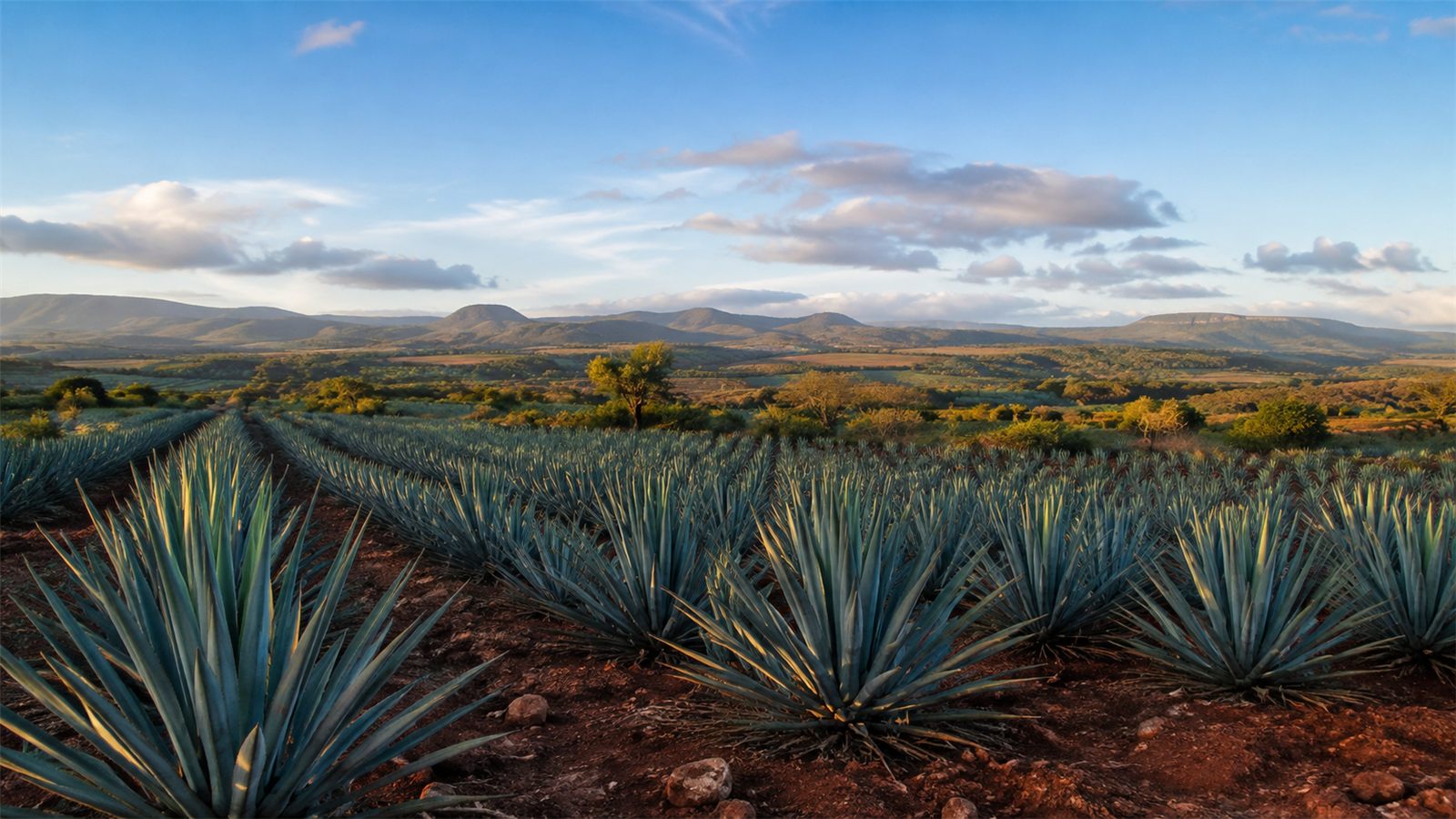
Those hearts are then cooked to convert their starches to fermentable sugar, crushed, fermented and distilled twice. Traditional producers cook in brick ovens over a day or more; industrial ones use pressurised autoclaves in a fraction of the time. You can often taste the difference — slower cooking tends to give a rounder, sweeter agave character.
Blanco, reposado, añejo
These are ageing categories, not rankings. Longer isn’t better, it’s different.
| Type | Time in oak | Tastes like | Best for |
|---|---|---|---|
| Blanco (silver) | None, or under 2 months | Bright, peppery, vegetal, citrus | Margaritas, palomas, anything mixed |
| Reposado | 2–12 months | Softer, light vanilla and caramel over the agave | Sipping, or a richer margarita |
| Añejo | 1–3 years | Oak-forward, warm spice, closer to whisky | Sipping neat |
| Extra añejo | 3 years+ | Deep oak, the agave receding | Sipping, slowly |
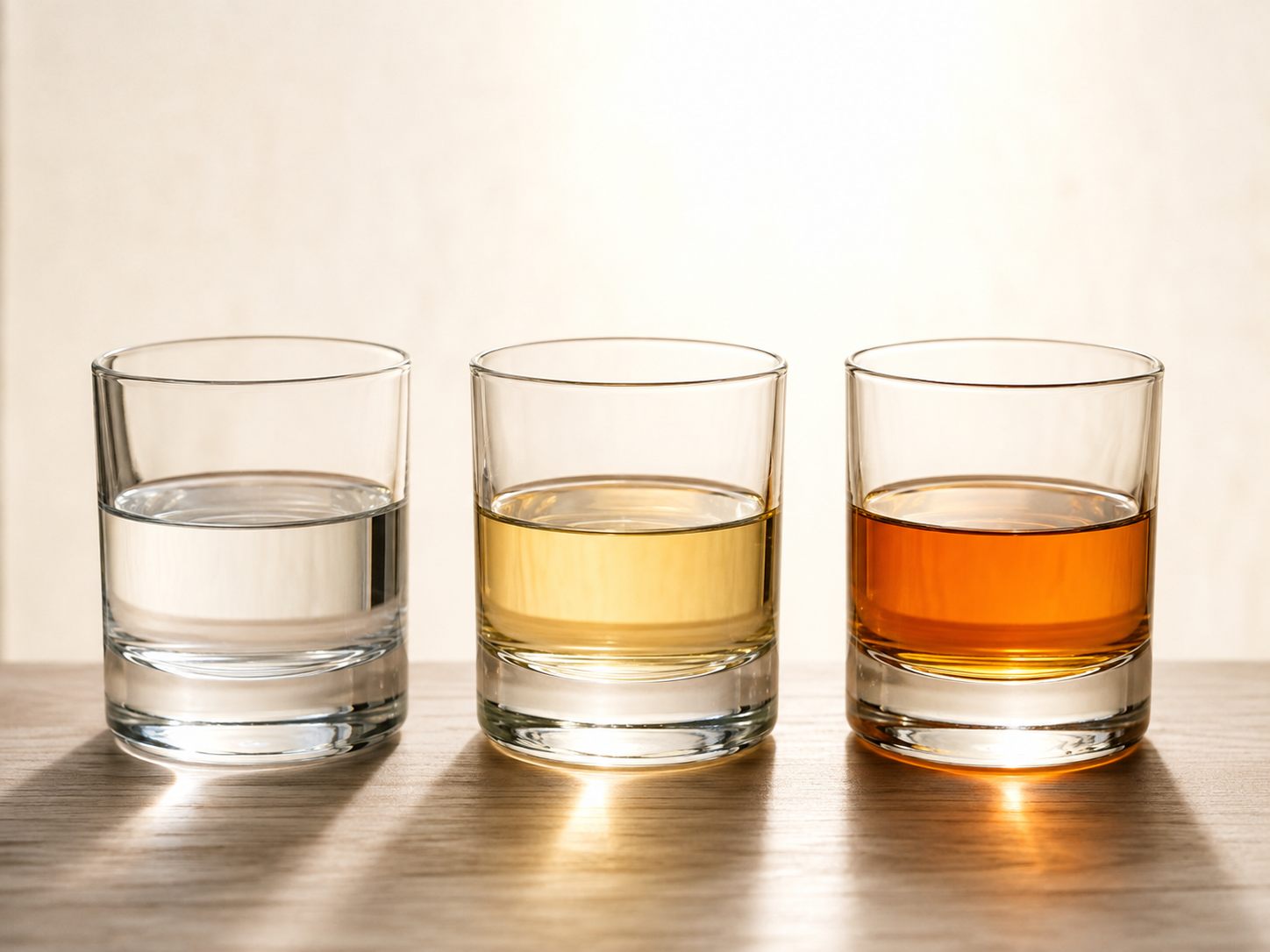
The common mistake is buying añejo for a margarita because it costs more. You’re paying for barrel character and then burying it under lime. Blanco is the correct choice, and it’s cheaper. Save the añejo for a glass on its own.
The margarita
Three ingredients, one ratio, no mix:
- 2 parts blanco tequila
- 1 part orange liqueur (triple sec, Cointreau, whatever you have)
- 1 part fresh lime juice
Shake hard with ice, strain over fresh ice. Salt on the rim of half the glass, so you can choose per sip.
Two notes that matter more than the ratio. The lime has to be fresh — bottled lime juice is the single biggest difference between a margarita at home and one at a good bar, and it’s the cheapest thing to fix. And shake it properly, twelve seconds or so, because the dilution from the ice is an ingredient, not an accident.
If it’s too sharp, add a bar spoon of agave syrup. If it’s flat, you under-shook it.
The paloma, which is arguably better
Less famous, more drinkable on a warm evening, and considerably easier:
- 2 parts blanco tequila
- Juice of half a lime
- Grapefruit soda to top
- Pinch of salt
Build it in the glass over ice. No shaking, no measuring beyond the tequila. It’s the drink most people in Mexico are actually having while tourists order margaritas.
Two more worth knowing
Ranch water. Blanco tequila, lime, sparkling mineral water. That’s the entire drink. It’s the lightest way to drink tequila and the one that works best on a hot afternoon when a margarita feels like too much.
Tommy’s margarita. Swap the orange liqueur for agave syrup — two parts blanco, one part lime, half a part agave. Less sweet, more agave-forward, and it’s what a lot of bartenders drink when they order a margarita themselves.
How to taste it properly
If you’re sipping rather than mixing, a few things help. Use a normal wine glass rather than a shot glass — the shape does the same job it does for whisky. Take a small sip first to acclimatise, because the second one always tastes different from the first. And skip the lime and salt entirely; that ritual exists to mask cheap mixto, and on a good 100% agave bottle it’s just covering what you paid for.
Look for the agave underneath everything else: a bright, faintly vegetal, peppery note in blanco, receding under vanilla and oak as you move up the ages.
The worm, and other myths
There is no worm in tequila. The larva occasionally found in bottles is a mezcal thing, it started as a marketing gimmick in the 1940s, and it signals nothing about quality. Anyone selling you tequila with a worm in it is selling you something else.
Tequila is not a stimulant. The idea that it’s an “upper” while other spirits are “downers” is folklore. Ethanol is ethanol, and a standard serving of tequila is the same 43 mL of 40% alcohol as a standard serving of anything else.
Gold doesn’t mean aged. In mixto, that colour is usually caramel colouring added at the end. Real barrel colour comes with a reposado or añejo designation on the label.
What about mezcal?
Same plant family, different process. Mezcal can be made from many agave varieties and the hearts are traditionally roasted in earth pits, which is where the smoke comes from. All tequila is technically a type of mezcal; not all mezcal is tequila.
If you like smoky whisky, you’ll probably like mezcal. Try it in a paloma before committing to sipping it neat — the smoke integrates surprisingly well with grapefruit.
Buying sensibly
- For mixing: a mid-range 100% agave blanco. Beyond a certain point you’re paying for something the lime will hide.
- For sipping: a reposado is the friendliest entry point. Añejo if you already know you like oak.
- Skip: anything gold-coloured that doesn’t say 100% agave. That colour is usually caramel, not barrel.
One bottle of decent blanco covers margaritas, palomas and most other tequila cocktails. It’s a more flexible purchase than a bottle of gin or rum for the same money.
Buying tequila in Ontario
A few things specific to shopping here rather than anywhere else.
Spirits are not sold in convenience stores. Since Ontario opened up alcohol retail, licensed convenience and grocery stores across the GTA can sell beer, cider, wine and ready-to-drink cans — but spirits are excluded entirely. Tequila comes from the LCBO, a licensed delivery service, or a bar selling takeaway. That’s the whole list.
LCBO hours are shorter than you’d guess. Many Toronto stores close at 9 or 10 p.m. on weeknights and around 6 p.m. on Sundays, and suburban locations in Scarborough, Mississauga and Brampton generally close earlier than downtown. The store locator gives live hours for a specific branch.
Everything stops at 11 p.m. Ontario caps retail alcohol sales and licensed delivery at 11 p.m., seven days a week, under AGCO rules. If a Friday margarita plan forms at half ten, that’s the clock you’re working against.
Ready-to-drink margaritas in cans are widely available in Ontario now and they’re fine for a crowd, but they’re made with the same sour-mix logic this article is arguing against. A bottle of blanco, a bag of limes and twenty minutes gets you somewhere considerably better for similar money.
Worth remembering
Buy 100% agave, use blanco for mixing, squeeze the limes, shake it properly. The gap between a bad margarita and a very good one is about four dollars and ninety seconds of effort.
You can see what’s in stock on the tequila page or the full menu, and we deliver across Toronto and the GTA — call or text (416) 988-3623.