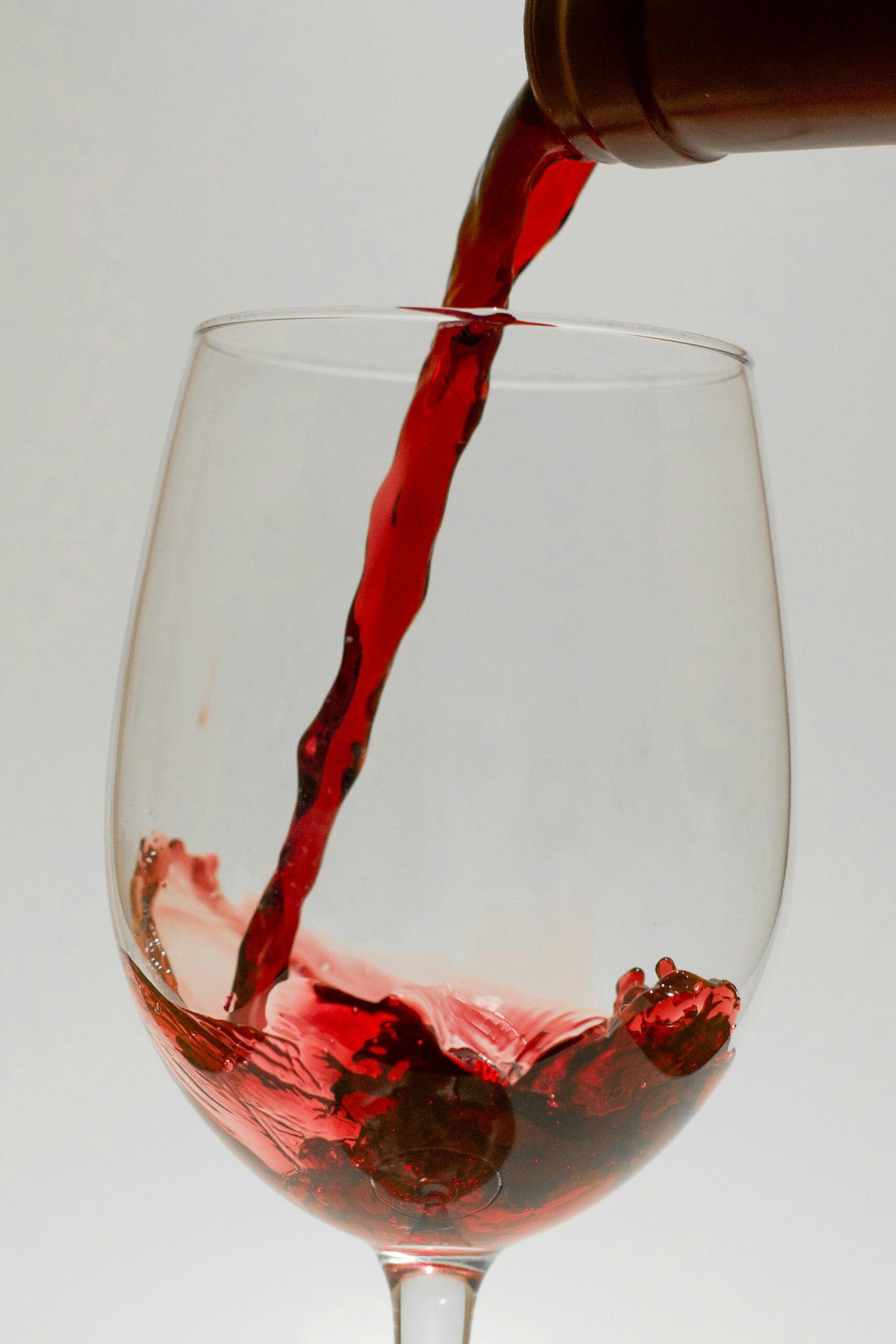
As the weather turns, so does the food: braises, stews, roasts, chili. Those dishes want red wine with more body and warmth than the light, chilled reds of summer. Here are seven that suit the cold months, with a dish for each, plus the serving details that make an ordinary bottle taste better.
Cabernet Sauvignon
Full-bodied, with blackcurrant, cedar and firm tannins. The tannins are why it works with rich, fatty meat: the fat softens them, and they cut through the fat.
Cook with it: beef roast, braised short ribs, steak with mushrooms. Gato Negro Cabernet Sauvignon from Chile is a softer, fruit-forward style that suits weeknight cooking.
Malbec
Argentina’s signature grape. Plummy, dark-fruited, smooth, with softer tannins than Cabernet. It’s one of the easiest reds to like.
Cook with it: grilled or pan-fried steak, burgers, beef empanadas, chili. Argentina pairs it with beef for a reason.
Shiraz and Syrah
The same grape, two styles. Australian Shiraz is ripe, dark and bold; French and cooler-climate Syrah is more peppery and savoury. Both have a black pepper note that loves spiced and smoky food.
Cook with it: lamb, sausages, barbecue, peppered beef, anything with smoked paprika.
Zinfandel
Californian, jammy, often high in alcohol, with ripe berry and spice. It handles sweet and smoky flavours that would overpower a more delicate wine.
Cook with it: pulled pork, barbecue ribs, pizza, meatloaf. Serve it a touch cooler than other reds to keep the alcohol in check.
Rioja and Tempranillo
Spain’s great red grape. Cherry, leather and, in Rioja Crianza and Reserva, a vanilla note from American oak. Medium-bodied and very food-friendly.
Cook with it: roast lamb, chorizo and bean stews, paella with meat, roast pork.
Ontario’s own: Baco Noir and Cabernet Franc
Baco Noir is a hybrid grape that handles Ontario winters well. It makes dark, smoky, high-acid wines with soft tannins, which makes it one of the best partners for tomato-based dishes. Try it with chili, a meat sauce or game.
Cabernet Franc is many people’s pick for Ontario’s best red. Medium-bodied, with raspberry, red pepper and herbs. It’s excellent with mushroom dishes, roast chicken and pork, and with anything involving sage or thyme. Our Thanksgiving pairing guide has more on Ontario reds.
Serve it cooler than you think
“Serve red wine at room temperature” dates from rooms without central heating. A heated condo or house in January sits around 21 to 23 °C, which makes red wine taste soupy and alcoholic. Aim for:
- Full reds (Cabernet, Malbec, Shiraz): 16 to 18 °C
- Medium reds (Rioja, Cabernet Franc, Baco Noir): 15 to 17 °C
- Zinfandel: around 15 °C, to keep it fresh
In practice: fifteen to twenty minutes in the fridge before opening. Or keep your red wine in a cool closet, away from radiators and the kitchen.
Decanting and keeping an open bottle
Decanting: young, tannic reds like Cabernet and Shiraz soften with air. Pour into a jug or decanter 30 to 60 minutes before dinner. Even a wide carafe from the kitchen helps. Older wines with sediment should be decanted carefully, leaving the last inch in the bottle.
The open bottle: recork it (or use a stopper) and put it in the fridge. Cold slows oxidation. Most reds stay good for three to five days. Take it out 20 minutes before drinking. If it tastes flat, it still makes excellent mulled wine or goes into a stew.
Which one to buy
- One bottle for most winter dinners: Malbec or Rioja. Both are flexible and easy to like.
- Red meat and roasts: Cabernet Sauvignon.
- Tomato sauce and chili: Baco Noir or Zinfandel.
- Something local: Ontario Cabernet Franc.
The short version
Big reds for rich food: Cabernet for beef, Malbec for steak, Shiraz for spice, Zinfandel for barbecue, Rioja for lamb, and Ontario’s Baco Noir and Cabernet Franc for chili and mushrooms. Chill red slightly before serving, and decant young tannic wines.
Red wine is on our wine page, and we deliver across Toronto and the GTA. Call or text (416) 988-3623.